Sports guide
How to Compare Basketball Teams Without Guessing the Outcome
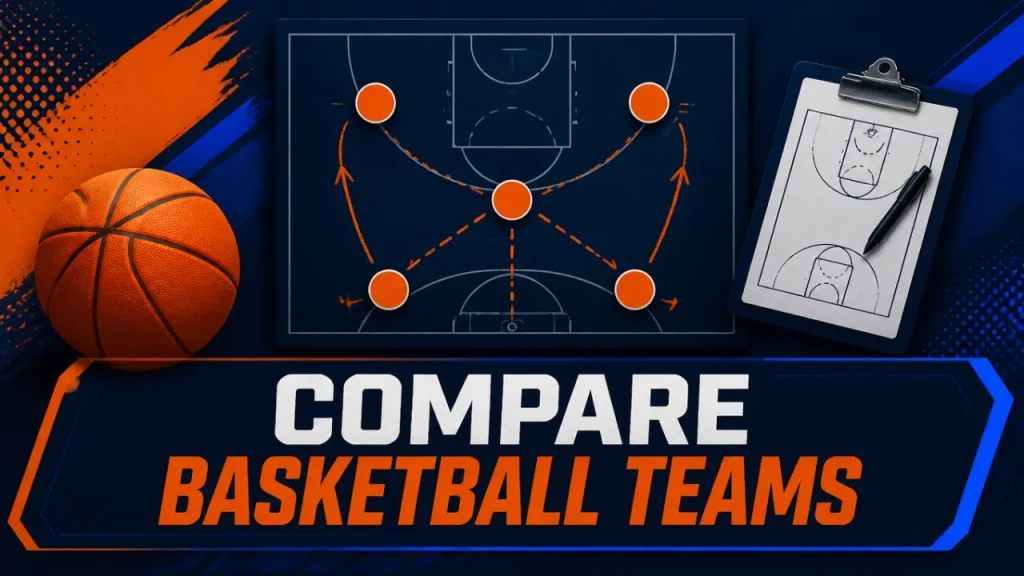
To compare basketball teams without guessing the outcome, separate what you can observe from what remains uncertain. A useful comparison describes how teams create shots, defend space and manage possessions. It does not turn a past result into a promise about the next matchup.
Compare possession quality before totals
Start with the way each offense creates opportunities. Look for passes that shift defenders, cuts that open the lane and screens that help a teammate find space. A team that creates open attempts may have a different offensive approach from a team that relies on individual shot creation. Neither style guarantees that the next attempt will fall.
Watch defensive matchups
Consider who protects the paint, how perimeter defenders respond to screens and where help comes from. When a defender steps toward the ball, notice whether a teammate covers the space behind that decision. The interaction between the offense and defense matters more than a label attached to either side.
Keep lineup context visible
Roles can change with substitutions. A unit with more ball handlers may build attacks differently from a unit designed around interior play. Treat available lineup information as context rather than assume the same group will appear throughout a game. Missing information should remain an open question.
Make a comparison you can check
Use the schedule to identify the matchup, scores to see available game states and results to examine completed games. Compare observations under similar conditions and note differences in opposition and playing style. Write a short explanation of each team’s approach, then state what information is missing. This creates a useful comparison without claiming to know the outcome.
AI-generated illustrative image. It does not depict a real match.